

From Punch Cards to AI: Lessons from a Week in Digital Studies
DH 500 Class Summary for September 09, 2025

Navigating the Digital Frontier: From AI in the Classroom to the Origins of Code
This past week felt like a journey, from the practicalities of a new school year to a profound dive into the history of computing and the ethics of artificial intelligence. As I reflect on what we've covered, I'm struck by how these seemingly disparate topics are deeply connected. They all point to a central idea: technology isn't just a tool; it’s a mirror of our society, a record of our past, and a force we can wield for a better future.
The Digital Toolbox: A Time Machine for Our Ideas
We talked about versioning, and the idea of it as a "digital time machine" really resonated with me. In a world where our digital lives can feel so ephemeral, it's reassuring to know there are systems that save every draft, every change, and every thought. Platforms like Wikipedia and GitHub show us that our work isn't just about the final product; it's about the entire process. This "peer review through time" highlights a new kind of collaboration, one that is transparent and built on a collective effort to refine and improve. As students, creators, and professionals, embracing this mindset is crucial for navigating the modern digital landscape.
AI: Our New Co-Pilot, Not Our Replacement
The conversation around AI in the classroom was one of the most important we had. It's clear that these tools are here to stay, but how we use them is what truly matters. I'm glad we reached a consensus that human feedback in grading is irreplaceable. We need to know the why behind our grades, not just a cold, algorithmic output. AI is fantastic for organizing ideas or brainstorming, a kind of "digital rubber duck" to help us work through a problem.
However, this comes with a responsibility. We must be cautious about what we share with these systems. The warning about not putting private information into an AI hit home. We have to be mindful of how these models are trained and what our data contributes to them. Ultimately, the final work must be our own. Using AI to write a paper for you isn't just cheating; it’s a missed opportunity for learning and growth.
Digital Humanities: A Bridge Between Past and Future
My personal reflections on our exploration of Digital Humanities (DH) centers are centered on a feeling of deep connection. So many of these projects, from Ghana to Toronto, are focused on cultural preservation. This isn't just about archiving old documents; it’s about ensuring that in the clutter of our modern world, we don’t lose sight of who we are and where we came from. It's about recognizing that our identity isn't just about the here and now, but about what was. It's a powerful way to reclaim history and make it accessible to everyone.
This brings me to a personal conviction: the skills we're learning in this field aren't just for a specific career path. We can use them to combat things like fake news, to critically analyze the digital spaces we inhabit, and to genuinely make the world around us a better place. The Critical Digital Humanities Initiative (CDHI) in Toronto is a perfect example, using technology to ask profound questions about power, social justice, and who is being left out.
A Look Back: The Building Blocks of Our Digital World
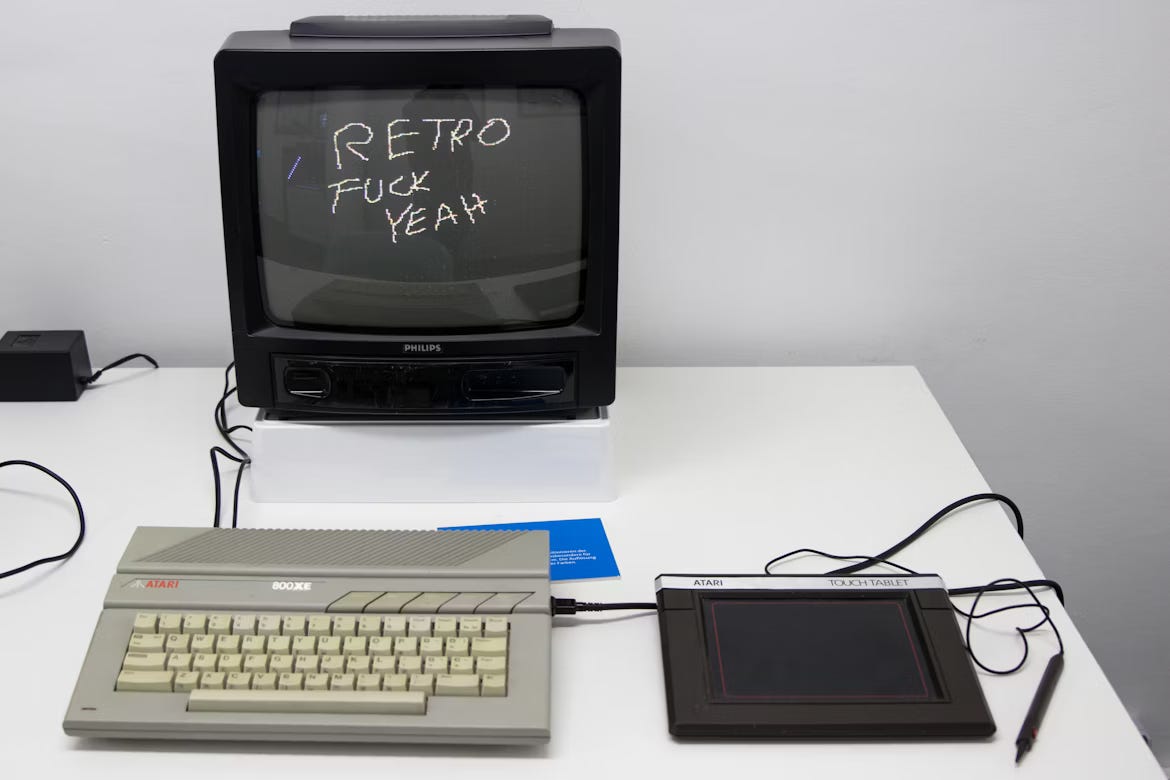
Our brief dive into the history of computing was a powerful reminder of how far we've come. The era of punch cards and bulky mainframes feels a world away, yet it laid the foundation for everything we use today. It makes you appreciate the seamless interfaces we take for granted. Moving from a non-interactive, command-line world to one of shared access and dialogue was a huge step.
This historical context helps me understand that technology is a continuous evolution. As we prepare to discuss the graphical user interface (GUI) next, I'm reminded that the future is built on the past. Understanding these origins gives us a deeper appreciation for the tools we have and a greater sense of responsibility for how we use them.